


[vc_row][vc_column]
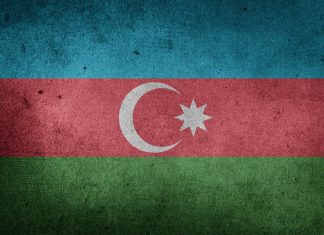
Armenian Patriarchate Threatened Over Azerbaijani Conflict
09/29/2020 Turkey (International Christian Concern) – A demonstration of Azerbaijani flags occurred on the Istanbul Kumpapi street where the Armenian Patriarchate is located....



Important News



More
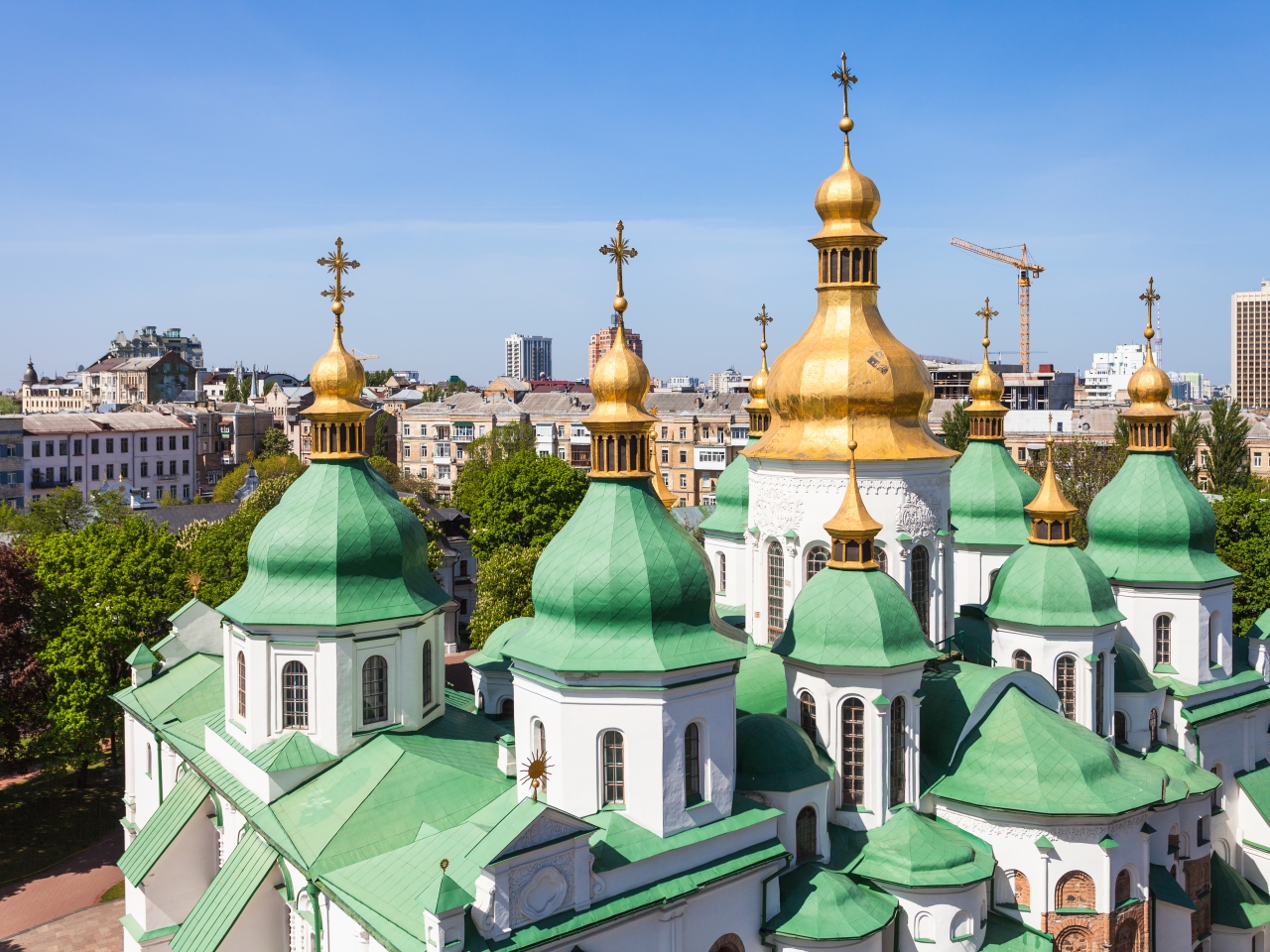
A new stage of restoration has started in St. Sophia Cathedral
In St Sofia of Kyiv, the distemper painting of the 17th century, located in the Northern Gallery of the monument, was recently...


Read Also

Christians Opened up How the Ministry of Manmin Central Church Changed...
Regardless of the denominations and churches they belong to in the world, countless people have solved their life problems thanks to one church's ministry.
People's...


- Advertisement -

Vatican calls attention to growing food crisis from coronavirus
The coronavirus emergency is also causing a food-related crisis, Vatican officials said Saturday, encouraging people to do their small part to help...

Christmas: A time for inclusive celebration
“Let us promote inclusion from the family to society level.” This was the clarion call made by Rachna Singh, National Council of Churches in India...

WCC Executive Committee addresses global concerns, sets vision for “one human family”
The World Council of Churches (WCC) Executive Committee met from 20-26 November at the Bossey Ecumenical Institute, to approve the 2020 programme plans...
Taliban Occupation Targets Women and Students
01/29/2022 Afghanistan (International Christian Concern) – Human Rights Watch published a report about the restrictions in Ghazni Province of Afghanistan. The Taliban’s grip on Afghanistan...
[/vc_column][/vc_row][vc_row el_class=”td-ss-row”][vc_column width=”2/3″]
Urgent
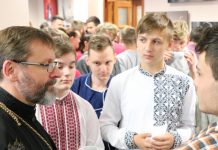
Pastoral letter of the Head of the UGCC to youth on Palm Sunday
Pastoral letter of his Beatitude Sviatoslav to youth on Palm Sunday
Beloved in Christ Youth in Ukraine and abroad!
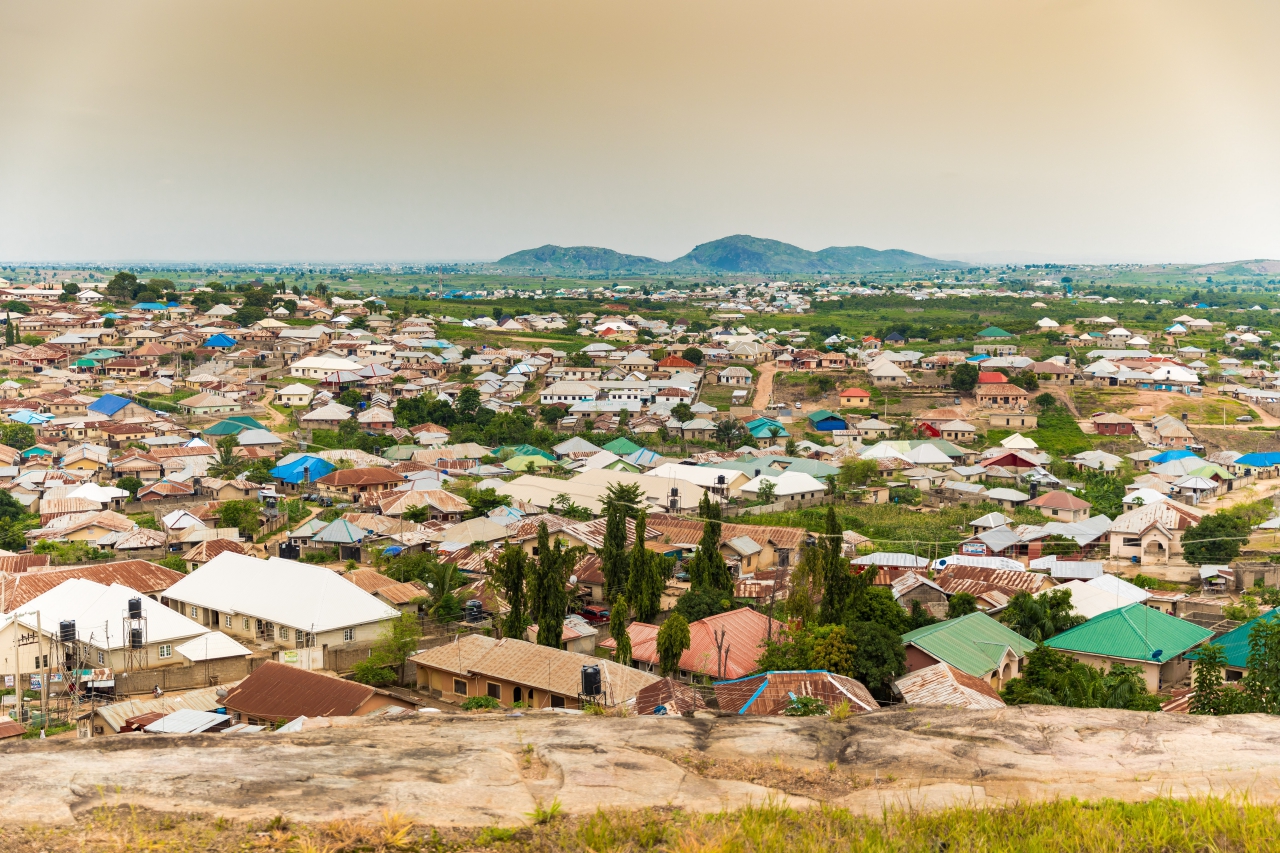
Baroness Calls for U.K. Aid to Nigeria to be Cut to Stop Fulani Violence
01/07/2018 Nigeria (International Christian Concern) – Baroness Caroline Cox of the U.K. Parliament has called for foreign aid to Nigeria to be cut until the...
Pioneer pastor among eight murdered in Cameroon in wave of brutal attacks by Boko...
Retired pioneering pastor, David Mokoni, and a hearing-impaired Christian boy were killed when Boko Haram militants attacked a church in Moskota, Far...

WCC website welcomes global visitors, media—and heartfelt prayers
Getting a new website generates the same type of excitement among communication staff as birthday parties do for young children, and like...
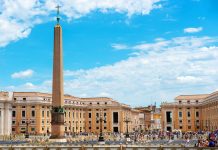
Pope Francis launches 2-year synodal path with call to ‘encounter, listen, and discern’
Pope Francis formally launched the two-year global consultation process leading to the 2023 synod on synodality on Sunday with a call to...
Important
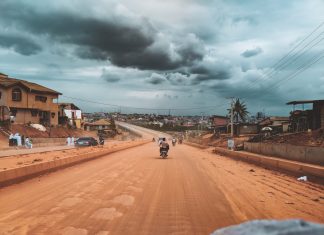
Nigerian Pastor Killed in Captivity After Paying Ransom
12/11/2021 Nigeria (International Christian Concern) – Gunmen have killed Reverend Dauda Bature, the Pastor of the Evangelical Church Winning All (ECWA) in Kaduna state,...
Watch now

Jesus Culture – Love Has A Name (Night of Worship in Sacramento, CA)
57:29

Billy Graham’s Son Rev. Franklin: His Tombstone Will Simply Read ‘Preacher’ | TODAY
04:29

Billy Graham's Last Message to America & the World...listen carefully...
08:54

March For Jesus 2017 Springfield MA
01:26:17

Hillsong Young & Free - Flash Mob Gospel 2016 - São Paulo/SP
05:05

FLASH MOB - Every Praise (a cappella)
02:57

Christmas Gospel Flashmob moves people to tears in shopping mall! By Chris Lass (UK/D) Feliz Navidad
04:00

4) Street Evangelism Downtown Chicago
03:41
LATEST ARTICLES








- Advertisement -
Latest article

You Can Say No to Strife
We’ve all experienced the effects of strife in one way or another. Strife can manifest itself through arguing, screaming, and yelling. Other...

What it is like to be a Catholic priest in Qatar
When Father Charbel Mhanna needs to acquire altar wine for Mass, he must use a special card issued by the government of...

One Good Rule for a Happy Marriage
I think most people would agree that a good marriage isn’t going to just “happen.” It’s going to take some give and...